
How long have you been deciding what he meant?
A few questions about what happened. Nothing at the end guesses about him.

How long has this been going on?
Nobody's asked you to put a number on this before.
Where are you with him right now?
There's no right answer here, and no wrong one.
In a normal week, who suggests the next time you see each other?
You already know this one. That's the point.
Thinking about this week only, what do you actually have?
This week only. Not the good week three months ago.
Nothing you have told me so far is an opinion.
That is rarer than it sounds at eleven at night.
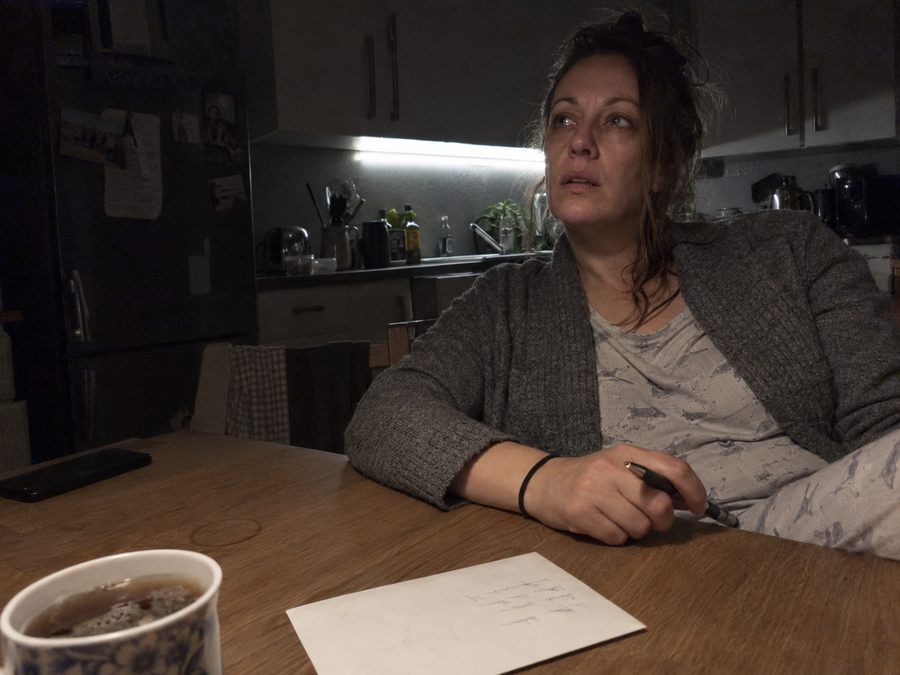
Every answer was a thing that happened. Keep going the same way. What you read at the end is built out of those, and out of nothing else.
The last time you said something that mattered, what did he say back?
His words, exactly as he said them.
In the two weeks after, what did he do?
Actions only. Tone is not an action.
After that, where did most of your evenings go?
Every woman who has done this recognises her own answer.
Four things you have been told to do.
You've been handed most of these, probably kindly.
Only the last one has him in it.
The trouble is that four lines is an insulting size.
Which is why you keep going back to the long one.

Four lines, for a year of your life. A puzzle at least pays attention to you.
"Keep it small enough to be true. A fact before an interpretation." From the chapter What Would He Do If I Wasn't Watching.
When you go back over it, do you usually end up somewhere different from where you started?
No answer here is the better one. It only changes what comes next.
Twenty years of it, and the part that keeps coming back.
None of it is about getting better at reading him.
The three were telling him what you need, making the time, and keeping a life of your own. They went with more satisfaction and more commitment. Went with, not caused.
The short record was being written the whole time.
It was being written whether or not you read it.

Nothing was hidden. It was written at his speed, in things you could watch happen, while you were busy with the other one.
"What he did with it was the information, and I read it three weeks late." From the chapter Say It Once, Twelve Times.
If one part of this got easier, which would you want first?
Pick the one you'd want tonight.
Who put this together.
The same person as you, a few years earlier.

She works in data for a consulting firm in Chicago, which means her days are spent telling companies their strategy isn't working. This is her first book.
Putting your week in order.
Nobody else has been keeping the short record.
- Separating what he said from what he did
- Taking the interpretation off the page
- Laying the week out in four lines
- Checking it against the method
Here is what you told me.
All of it is what you said. None of it is what we guessed.
- What he said
- You have not told me what he said back.
- What he did after
- You have not told me what he did in the two weeks after.
- Where your evenings went
- You have not told me where the evenings went.
Nothing here is a reading of him. Every line is something you said happened.
Here is the part you have not done yet.
None of it depends on what he decides.
- TonightYou write down what happened, once, and stop at the fact
- This weekYou know which week you are in, and what that week asks for
- The minute after you say itYou know what to do with it
- When you say itYou read the short record the night it is written, not three weeks late
Four things that are yours. Not one of them is a guess about him.
You don't have to write the short record on your own.
Four lines. The hard part is doing them alone.
You tell it what happened. It helps you keep the fact separate from what you decided the fact meant, find the sentence in your own words, and know which week you're in when you say it. It's a private guide on the phone that's already on the counter, and it's the book's own method rather than an opinion about your situation.
What it won't do, and this is the point: it won't predict him, label him, or help you build a case. That is the long record with better tools, and the long record is the thing you are trying to get out of.